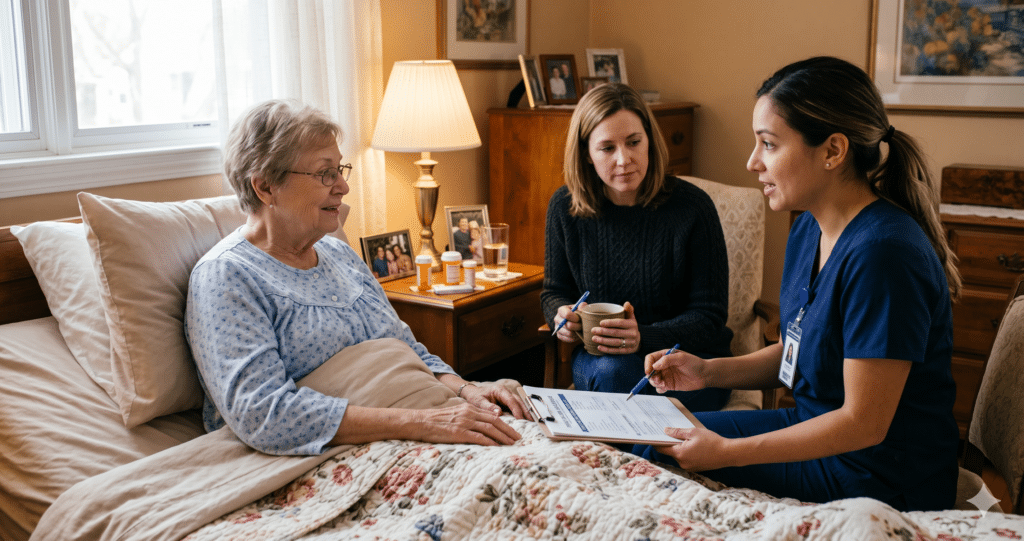
Returning home after a hospital stay is often a welcome milestone, but it is only the beginning of the recovery process. Whether a senior has been hospitalized because of surgery, illness, or an injury, the first few weeks at home can bring new challenges. Simple daily tasks may suddenly feel difficult, medications may change, and follow-up appointments can quickly fill the calendar. Hospital to home transition services help bridge the gap between hospital care and independent living, giving seniors the support they need to recover safely in familiar surroundings.
Families are often surprised by how much assistance is needed after discharge. A loved one who seemed ready to leave the hospital may still struggle with mobility, fatigue, or everyday responsibilities once they return home. Planning for these needs before discharge can reduce stress, improve safety, and help seniors focus on healing.
Leaving the Hospital Doesn’t Mean Recovery Is Complete
Hospital discharge simply means a patient is medically stable enough to continue recovering outside of the hospital. It does not necessarily mean they have returned to their previous level of independence.
Many seniors go home with new medications, activity restrictions, dietary recommendations, or follow-up appointments. They may also experience discomfort, weakness, or reduced endurance that makes routine activities more challenging than expected.
Without adequate support during this transition, even simple tasks can become overwhelming.
The First Few Days Matter Most
The first several days at home often set the tone for the rest of recovery.
During this time, seniors are adjusting to new routines while regaining their strength. Something as simple as preparing breakfast, taking a shower, or walking across the house may require more energy than anticipated.
Family members frequently try to help, but many are balancing careers, children, and other responsibilities. They may not be available throughout the day, leaving gaps in care during an important stage of recovery.
Having support available from the beginning helps reduce unnecessary stress while creating a smoother transition home.
Common Challenges After Returning Home
Every recovery is different, but many seniors experience similar obstacles after leaving the hospital.
These may include:
- Fatigue that limits daily activity
- Difficulty walking or moving safely
- Trouble preparing meals
- Remembering new medication schedules
- Keeping track of follow-up appointments
- Managing household responsibilities
- Reduced confidence after illness or surgery
These challenges do not necessarily require another hospital visit, but they often benefit from additional assistance while recovery progresses.
How Transition Care Supports Recovery
The goal of hospital to home transition services is to help seniors recover safely while remaining in the comfort of home.
Rather than trying to manage every responsibility alone, seniors receive assistance with everyday activities that support healing and reduce unnecessary strain.
At Gently Aging Home Care, transition services focus on practical, non-medical support that helps older adults adjust after returning home. Depending on individual needs, this may include assistance with personal care, meal preparation, medication reminders, transportation to follow-up appointments, light housekeeping, companionship, and other daily living tasks that become more difficult during recovery.
By reducing the demands of everyday responsibilities, seniors can devote more energy to healing.
Helping Prevent Falls During Recovery
Fall prevention becomes especially important after hospitalization.
Many seniors experience temporary weakness, reduced balance, or limited mobility following surgery or illness. Even individuals who were previously independent may be at greater risk of falling during recovery.
Caregivers provide valuable support by assisting with mobility, helping seniors move safely around the home, and reducing situations where they might attempt difficult tasks without assistance.
Simple precautions taken during the recovery period can help prevent setbacks that delay healing.
Medication Reminders and Daily Routines
Medication schedules often change after a hospital stay. New prescriptions, adjusted dosages, or temporary medications can make routines more complicated than before.
Missing doses or taking medications incorrectly can interfere with recovery.
Caregivers can provide medication reminders that help seniors stay on schedule while following their discharge instructions. They can also help establish consistent daily routines that include meals, hydration, rest, and activity throughout the day.
A structured routine often reduces confusion while making recovery feel more manageable.
Nutritious Meals Support Healing
Proper nutrition is an important part of recovery, yet meal preparation is often one of the first tasks seniors struggle to manage after returning home.
Standing in the kitchen, lifting cookware, or shopping for groceries may be difficult during the early stages of healing.
Caregivers can assist with grocery shopping, meal planning, and preparing nutritious meals that support recovery.
Having regular meals available also encourages proper hydration and helps seniors maintain their strength.
Transportation Keeps Recovery on Track
Recovery rarely ends with hospital discharge.
Most seniors require follow-up visits with physicians, therapists, or specialists. Some may also need prescription pickups or additional testing during the weeks that follow.
Reliable transportation helps ensure these important appointments are not missed. Caregivers can provide transportation and accompaniment, giving seniors confidence while reducing stress for family members who cannot always leave work or other responsibilities.
Providing Peace of Mind for Families
Family caregivers often experience their own worries after a loved one returns home.
Questions such as “Did they remember their medication?” or “What if they fall while I’m at work?” can create ongoing anxiety.
Professional support provides reassurance that someone is available to assist with daily needs and monitor how recovery is progressing. Family members can spend quality time with their loved one instead of trying to manage every detail on their own.
This shared approach often makes recovery easier for everyone involved.
Supporting Independence Throughout Recovery
Accepting help during recovery is not a sign of losing independence. In many cases, temporary assistance allows seniors to regain their independence more successfully.
By receiving support with physically demanding or potentially unsafe tasks, older adults can focus on rebuilding their strength and confidence at a pace that matches their recovery.
As healing progresses, the level of assistance can be adjusted to reflect changing needs, allowing seniors to take on more responsibilities as they become stronger.
A Safer Path Home
A successful recovery begins long before a senior walks through the front door. Planning ahead, arranging appropriate support, and preparing for the challenges that often follow hospitalization can make the transition significantly smoother.
Gently Aging Home Care understands that every recovery journey is unique. Through personalized hospital to home transition services, seniors receive compassionate assistance that helps them recover safely while remaining in the comfort of home.
The goal is simple: reduce stress, support healing, and give older adults the confidence to move forward one day at a time. With thoughtful planning and dependable support, the journey from hospital to home can become a safer, more comfortable experience for both seniors and the families who care about them.
If you or an aging loved one is considering hospital to home transition care in Old Lyme, CT, or any of the surrounding Connecticut shoreline communities, contact the professional home care team at Gently Aging Home Care. Call us today at (203) 864-4700.